BH
Tha Dank Hoarder


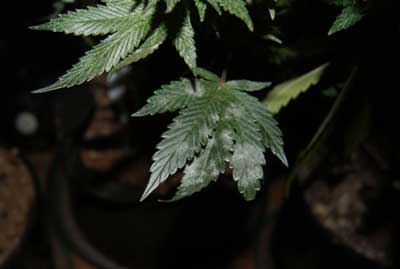
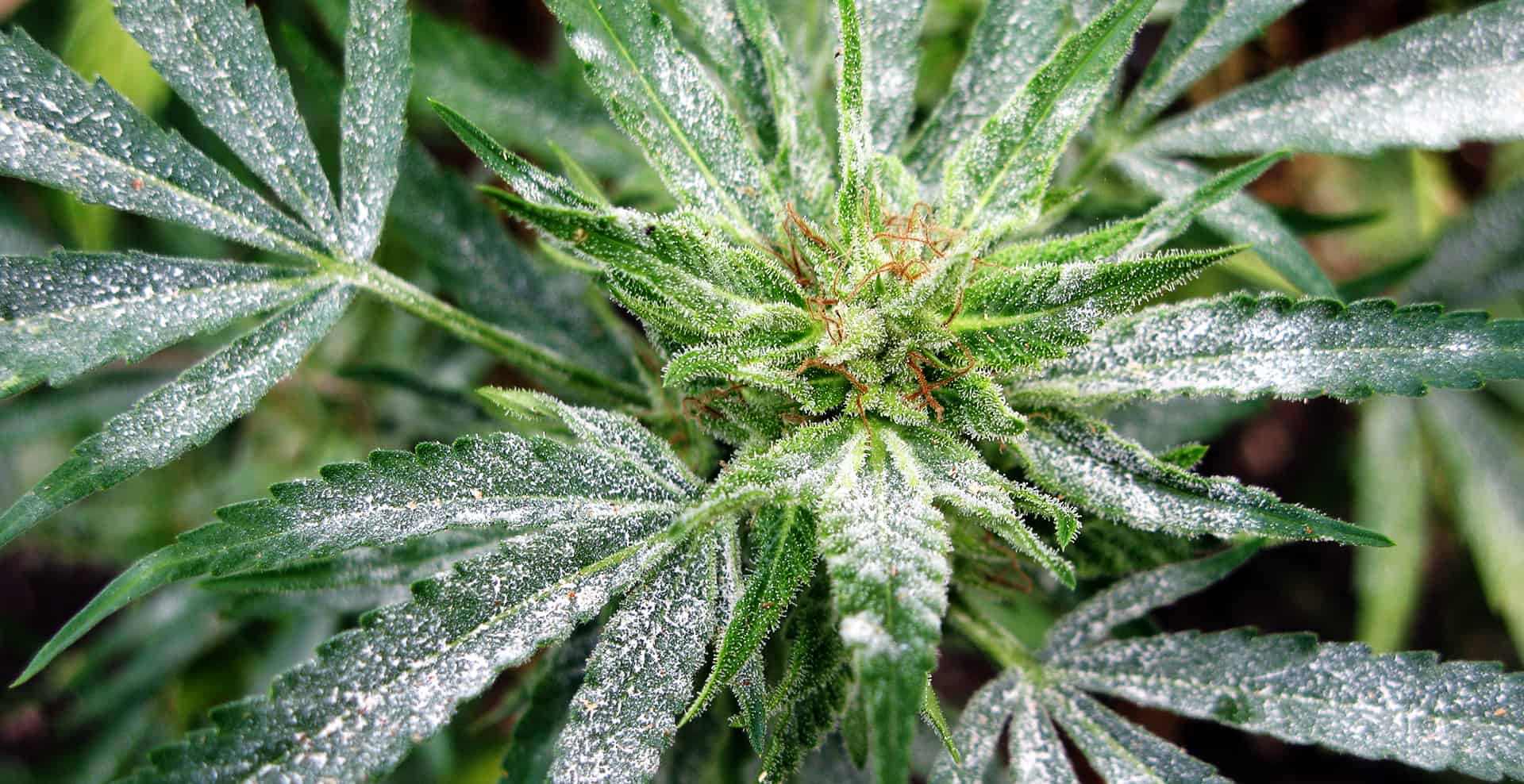
View attachment 107783View attachment 107784
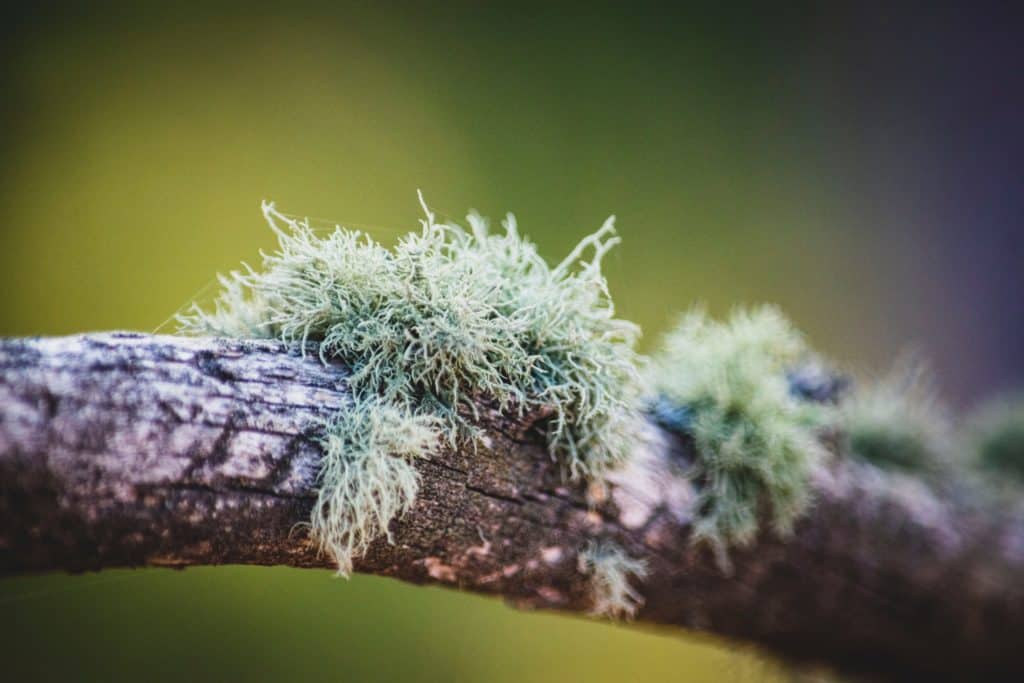
View attachment 107786
Powdery Mildew on Cannabis: The Summary
"
Many websites out there will tell you that powdery mildew in Cannabis prefers cool temperatures and low humidity. Powdery mildew can be one of the most difficult diseases to control because it grows best in the same conditions as your Cannbis plants. However, PM can tolerate a wide range of RH levels, and simply lowering your RH levels will not eliminate PM risk, though it does help. In fact, low humidity can favor the spread of the disease, but high humidity can favor spore germination (although liquid water in contact with spores will inhibit germination).
What PM Species Affect Cannabis? What Environmental Conditions help control PM on Cannabis?
Much of the information on popular websites for Cannabis Powdery Mildew conflicts with the information in the scientific literature. I will report what has been published in scientific literature. Powdery mildew fungi often have a narrow host range. They are known as biotrophs, meaning that they can only live and reproduce on living hosts. Coincidentally, they also cannot be cultured in vitro because they require the living host to survive. There is a closer evolutionary relationship between the host and the parasitic fungus than that of necrotrophic fungi such as B cineria, the causal agent of bud rot.
Many species have historically been identified as capable of infecting Cannabis. In the early 1990s, McPartland reported at least 2 different species (Leveillula taurica and Sphaerotheca macularis) [1i, 2i]. In 2018, a Canadian publication described the causal agent of Cannabis Powdery Mildew in samples from drug Cannabis as belonging to the Golovinomyces cichoracearum species complex from looking at ITS sequences, which may include other species such as G. spadiceus or G. ambrosiae [1]. Subsequent studies show that G. spadecius is a common PM pathogen on Cannabisspecies [2, 3,]. Cannabis can also be infected by PM from closely related plant species such as hop PM, Podosphaera macularis [2].
Golovinomyces spadiceus grows best in warm, low humidity climates. It is commonly found on wild plant species such as wild sunflower [4] or plants within the same tribe, such as Zinnia flowers and various other plants [5, 6]. Cannabis can get a decent amount of infection on the flowers, and this can lead to unmarketability in the private and medical sectors. It is not recommended to consume bud infected with PM, though I do not believe there is any research as to the health effects of consuming Cannabis infected with PM. It can certainly destroy trichomes and affect the flavor and odor of your buds is you have a heavy infection.
When temperatures drop, the relative humidity of your grow area will go up because cooler air holds less water and condenses water easily [7]. The tomato-infecting PM species, which has also been reported as infecting Cannabis, is signifiantly reduced at low humidity levels (20-40% RH) [8], and this is a common recommendation for Cannabis growers. For G. spadiceus, the pathogen is presumed to act similarly, and keeping humidity under 50%, and preferably lower is ideal for controlling Powdery Mildew. For instance, one report of G. spadiceus in Cannabis says that G. spadiceus thrives in warm temperatures and moderate to high humidity [9].
The Biology of Powdery Mildew
Powdery mildew are ascomycete fungi in the order Erysiphales. As mentioned, they are obligate biotrophs. The life cycle of PM is shown below. This diagram is for grape powdery mildew, though the life cycle is the same for PM on most plants
View attachment 107785
Powdery Mildew of Grape | Ohioline. (n.d.). Retrieved February 15, 2020, from Powdery Mildew of Grape
Cleistothecia are structures produced in the late summer that are known as ‘overwintering structures’, meaning they help protect the sexual spores (ascospores) inside until they are released in the Spring. They are far more resilient than the conidia spores that are asexually reproduced in the disease’s main reproduction cycle that provides secondary infections during the Spring, Summer, and Fall. Ascospores are sexually produced spores, meaning that they undergo sexual recombination, whereas conidial spores have the same genotype as the isolates that formed them. Conidia begin to be produced quickly, usually within a week of initial infection, leading to rapid disease spread and exponential growth of the pathogen.
PM fungi, despite what some Cannabis websites claim, are not systemic. For a pathogen to be systemic, is has to be able to spread via the vasculature of plants. Of course, it can spread to distant parts of the plant through spread of spores or growth of mycelium over susceptible tissue. I would hypothesize that websites that claim that asymptomatic tissues are testing positive despite showing symptoms are simply identifying spores or initial infections that are not yet visible to the naked eye.
PM fungi only grows on the surface of plants, obtaining nutrients from living epidermal cells from specialized structures known as haustoria that penetrate the cell walls and invaginate the cell membranes. PM fungi use the haustoria to obtain nutrients from living cells, but also to modulate the host plant’s defense responses. All plants have an immune system, and fungi that feed on living hosts use proteins known as effectors in order to inhibit host defense responses.
Control Strategies
Climate
As mentioned, it is important to control temperature and humidity. It is recommended to keep humidity low to control PM (20-40%RH). If PM is not such a big problem, keeping RH so low may not be recommended. I tend to try to keep RH in my grow tents around 40% RH. In addition to humidity in your grow area, it is important to have good airflow and ventilation. Every plant makes a microclimate around leaves [10]. The trichomes, hydrophobic leaf cuticle, and leaf transpiration create a small layer of air around leaves that is relatively still and higher humidity than surrounding air. Since this is the climate that PM spores and mycelium actually grows and reproduces in, it is important to disturb this microclimate with fans that gently disturb the leaves as well as to have high levels of air exchange in your grow area.
It is difficult to use temperature as a control method, as temperatures between 50 and 90 Farenheit (10-32 Celsius) can be conducive to PM growth and spread. Unfortunately, the high and low temperatures that may inhibit PM are also very stressful to Cannabis plants. I would recommend maintaining your normal temperatures (70-85 Farenheit or so), and focusing on humidity, circulation, and fresh air exchange in terms of climate control.
Genetic Resistance
One thing to consider is that the longer time a plant takes to achieve maturity, the more time PM has to develop and spread. Choosing plants with short flowering periods such as indica-heavy hybrids or short total growth periods such as autoflowering plants may be a good choice in reducing the risk of harvesting buds infected with PM.
PM disease resistance can indeed be bred for. Unless a major resistance gene is identified, it is likely that all resistance is multigene, quantitative resistance. Unfortunately there is not public research available as to which strains have high PM resistance. Research that has been done is likely by private companies and breeders screening commercial strains for PM resistance and keeping information in-house for a commercial advantage. Unfortunately, the strain selection here must be based on knowledge spread around the growing community on forums and growing websites such as this. It is important to note that these are anecdotes and have not been verified with any experiments.
Besides indica heavy strains being a better choice due to flowering time, it also appears that many strains with Afghani heritage are more resistant to PM than most strains. In general, landrace sativa strains from equitorial regions have higher mold (bud rot and fusarium) resistance than Afghanis. However, these strains also appear to be more susceptible to PM than many Afghani-dominant strains. "
^ Disease Profile: Powdery Mildew of Cannabis
Is Powdery Mildew systemic ?
”
These claims are understandable. Many respected cannabis cultivation teachers have taught that “powdery mildew is a systemic infection.” Cannabis forums are loaded with questions like “What are solutions for systemically curing PM?” and advice that PM is systemic. Most powdery mildew posts in online grower forums are written with the assumption that PM is systemic. Additionally, many online grow help websites also reinforce the idea that PM is systemic, however, don’t ever reference studies or proof.
Where is the evidence?
Scientists have detected powdery mildew spores on plant leaves that do not yet show signs of affliction. This is evidence that some cultivators use to bolster their belief that powdery mildew is systemic. Researchers at Medicinal Genomics took four tissue samples from leaves without signs of infection from otherwise afflicted plants and found powdery mildew spores present. This finding appears to be hard evidence that spores travel from leaf to leaf within the plant itself, but these scientists acknowledged the presence of spores could have resulted from airborne spores or contact with other infected material.
Brandon Rust, cultivation director of Majestic Craft Cannabis and founder of Bokashi EarthWorks, brings up another reason people believe powdery mildew is a systemic infection. Brandon explains, “When conditions are correct for it, powdery mildew can flourish, especially on unhealthy plants. Most infected plants I see are not truly healthy and not expressing the plant’s genetic potential. Weak plants already fighting a great battle for their health do not have the energy necessary to resist further infection, leading some to believe that the underlying cause of powdery mildew is systemic as their already unhealthy plants appear to deteriorate in the presence of PM.”
Matthew Gates, California IPM Specialist and Entomologist and Board Member of the Cannabis Horticultural Association weighed in sharing, “Is powdery mildew a systemic pathogen? False. According to the American Phytopathology Society, there are no species of PM that spread systemically. Another thing to consider is since PM infection relies on genetic susceptibility genes in their hosts, it could be said that this genetic facet is more fundamental than an environmental one.
Michele Wiseman, MSc, Plant Pathology on Medium.com recently shared, “Contrary to popular belief in the cannabis industry, powdery mildew infections are not systemic as they do not travel throughout the vascular tissue to produce new infections elsewhere in the same plant.”
She elaborated, “Occasionally, you may see necrotic (i.e. dying) tissue adjacent to a powdery mildew infection and a heavy infection will significantly reduce your plant’s vigor. Moreover, heavy outbreaks may weaken the plant and increase chances of secondary pathogen infections or pest infestations. Sometimes, outbreaks in confined spaces (such as warehouses or greenhouses) result in the rapid movement of infections on and across individual plants due to the air dispersal of asexual spores (often from circulating fans). In this sense, it may LOOK like a systemic infection, but in reality, air movement is just dispersing spores around your grow space.”
Even though powdery mildew on cannabis and in general is now better understood by science as non-systemic, it’s vitally important to remember the point is always prevention of PM. Prevention of PM has always been focused on fungicide sprays, proper humidity and air flow, but the best way to kill these airborne powdery mildew spores is through air purification / air sanitization. This strategy is effective whether or not PM is systemic.”

"
The powdery mildew species that infects cannabis is a different organism than the organism that infects other plants, such as tomatoes or cucumbers.
We genetically sequencing infected cannabis plants from the United States and Canada and found that the DNA didn’t match any known PM sequences. Further complicating things is the possibility that there could be more than one PM species infecting cannabis, but we would need to collect more samples from Europe and Asia in order to sort that out.
There has been no published research into how this novel PM organism infects the cannabis plant. For now, the best we can do is look to studies on how other PM species infect other plants for clues. However, until similar studies are conducted on cannabis, we can’t be sure how the pathogen behaves.
Again, it’s important to note that Golovinomyces orontii is not the same organism that infects cannabis. However, we have designed test that can detect the unique DNA signature of the PM species that infects cannabis from a 4mm leaf punch. In fact, our Powdery Mildew detection assays can detect powdery mildew DNA from cannabis leaves that show no visual signs. This suggests that we are detecting the DNA from the mycelium network that the pathogen creates prior to sporulation. This early detection can be useful to growers who can remove and quarantine infected plants so they do not further infect the grow room.
If powdery mildew penetrates the plant, the next question is whether it gets into the plant’s vasculature and infects other parts of the plant. There is no published literature that supports that theory, and it is likely the mycelium network is made externally.
However, we collected four samples from visually clean leaves off a plant that had visual PM elsewhere on the plant. Of those four samples, three tested positive. This does not prove the theory that PM can travel through the plant’s vascular system. It could be that the other parts of the plant were infected by a separate event. It may also be that some powdery mildew DNA gets into the plant’s bloodstream when the haustorium penetrates the plant. In any case, it is a topic that warrants further study.
Powdery mildew does not affect all cannabis varieties equally. Some varieties of cannabis are resistant, while others are very susceptible to the pathogen. We also believe that PM resistance is not binary. In hops, we have seen there are lines that are partially resistant.
In any case, PM resistance is a trait that can be selected. Using early detection technology, such as the Powdery Mildew assay, growers can screen plants for infection before visual signs are present. By continuing to screen for PM infection, and selecting against plants that test positive, breeders will enrich their resistance.
"
^ Is Powdery Mildew Systemic? | Medicinal Genomics
great links:
 indicainfo.com

 www.trifectanatural.com

 nanogrowmax.com

 moldresistantstrains.com
 cannabistraininguniversity.com

 www.medicinalgenomics.com
View attachment 107786
Powdery Mildew on Cannabis: The Summary
"
Many websites out there will tell you that powdery mildew in Cannabis prefers cool temperatures and low humidity. Powdery mildew can be one of the most difficult diseases to control because it grows best in the same conditions as your Cannbis plants. However, PM can tolerate a wide range of RH levels, and simply lowering your RH levels will not eliminate PM risk, though it does help. In fact, low humidity can favor the spread of the disease, but high humidity can favor spore germination (although liquid water in contact with spores will inhibit germination).
What PM Species Affect Cannabis? What Environmental Conditions help control PM on Cannabis?
Much of the information on popular websites for Cannabis Powdery Mildew conflicts with the information in the scientific literature. I will report what has been published in scientific literature. Powdery mildew fungi often have a narrow host range. They are known as biotrophs, meaning that they can only live and reproduce on living hosts. Coincidentally, they also cannot be cultured in vitro because they require the living host to survive. There is a closer evolutionary relationship between the host and the parasitic fungus than that of necrotrophic fungi such as B cineria, the causal agent of bud rot.
Many species have historically been identified as capable of infecting Cannabis. In the early 1990s, McPartland reported at least 2 different species (Leveillula taurica and Sphaerotheca macularis) [1i, 2i]. In 2018, a Canadian publication described the causal agent of Cannabis Powdery Mildew in samples from drug Cannabis as belonging to the Golovinomyces cichoracearum species complex from looking at ITS sequences, which may include other species such as G. spadiceus or G. ambrosiae [1]. Subsequent studies show that G. spadecius is a common PM pathogen on Cannabisspecies [2, 3,]. Cannabis can also be infected by PM from closely related plant species such as hop PM, Podosphaera macularis [2].
Golovinomyces spadiceus grows best in warm, low humidity climates. It is commonly found on wild plant species such as wild sunflower [4] or plants within the same tribe, such as Zinnia flowers and various other plants [5, 6]. Cannabis can get a decent amount of infection on the flowers, and this can lead to unmarketability in the private and medical sectors. It is not recommended to consume bud infected with PM, though I do not believe there is any research as to the health effects of consuming Cannabis infected with PM. It can certainly destroy trichomes and affect the flavor and odor of your buds is you have a heavy infection.
When temperatures drop, the relative humidity of your grow area will go up because cooler air holds less water and condenses water easily [7]. The tomato-infecting PM species, which has also been reported as infecting Cannabis, is signifiantly reduced at low humidity levels (20-40% RH) [8], and this is a common recommendation for Cannabis growers. For G. spadiceus, the pathogen is presumed to act similarly, and keeping humidity under 50%, and preferably lower is ideal for controlling Powdery Mildew. For instance, one report of G. spadiceus in Cannabis says that G. spadiceus thrives in warm temperatures and moderate to high humidity [9].
The Biology of Powdery Mildew
Powdery mildew are ascomycete fungi in the order Erysiphales. As mentioned, they are obligate biotrophs. The life cycle of PM is shown below. This diagram is for grape powdery mildew, though the life cycle is the same for PM on most plants
View attachment 107785
Powdery Mildew of Grape | Ohioline. (n.d.). Retrieved February 15, 2020, from Powdery Mildew of Grape
Cleistothecia are structures produced in the late summer that are known as ‘overwintering structures’, meaning they help protect the sexual spores (ascospores) inside until they are released in the Spring. They are far more resilient than the conidia spores that are asexually reproduced in the disease’s main reproduction cycle that provides secondary infections during the Spring, Summer, and Fall. Ascospores are sexually produced spores, meaning that they undergo sexual recombination, whereas conidial spores have the same genotype as the isolates that formed them. Conidia begin to be produced quickly, usually within a week of initial infection, leading to rapid disease spread and exponential growth of the pathogen.
PM fungi, despite what some Cannabis websites claim, are not systemic. For a pathogen to be systemic, is has to be able to spread via the vasculature of plants. Of course, it can spread to distant parts of the plant through spread of spores or growth of mycelium over susceptible tissue. I would hypothesize that websites that claim that asymptomatic tissues are testing positive despite showing symptoms are simply identifying spores or initial infections that are not yet visible to the naked eye.
PM fungi only grows on the surface of plants, obtaining nutrients from living epidermal cells from specialized structures known as haustoria that penetrate the cell walls and invaginate the cell membranes. PM fungi use the haustoria to obtain nutrients from living cells, but also to modulate the host plant’s defense responses. All plants have an immune system, and fungi that feed on living hosts use proteins known as effectors in order to inhibit host defense responses.
Control Strategies
Climate
As mentioned, it is important to control temperature and humidity. It is recommended to keep humidity low to control PM (20-40%RH). If PM is not such a big problem, keeping RH so low may not be recommended. I tend to try to keep RH in my grow tents around 40% RH. In addition to humidity in your grow area, it is important to have good airflow and ventilation. Every plant makes a microclimate around leaves [10]. The trichomes, hydrophobic leaf cuticle, and leaf transpiration create a small layer of air around leaves that is relatively still and higher humidity than surrounding air. Since this is the climate that PM spores and mycelium actually grows and reproduces in, it is important to disturb this microclimate with fans that gently disturb the leaves as well as to have high levels of air exchange in your grow area.
It is difficult to use temperature as a control method, as temperatures between 50 and 90 Farenheit (10-32 Celsius) can be conducive to PM growth and spread. Unfortunately, the high and low temperatures that may inhibit PM are also very stressful to Cannabis plants. I would recommend maintaining your normal temperatures (70-85 Farenheit or so), and focusing on humidity, circulation, and fresh air exchange in terms of climate control.
Genetic Resistance
One thing to consider is that the longer time a plant takes to achieve maturity, the more time PM has to develop and spread. Choosing plants with short flowering periods such as indica-heavy hybrids or short total growth periods such as autoflowering plants may be a good choice in reducing the risk of harvesting buds infected with PM.
PM disease resistance can indeed be bred for. Unless a major resistance gene is identified, it is likely that all resistance is multigene, quantitative resistance. Unfortunately there is not public research available as to which strains have high PM resistance. Research that has been done is likely by private companies and breeders screening commercial strains for PM resistance and keeping information in-house for a commercial advantage. Unfortunately, the strain selection here must be based on knowledge spread around the growing community on forums and growing websites such as this. It is important to note that these are anecdotes and have not been verified with any experiments.
Besides indica heavy strains being a better choice due to flowering time, it also appears that many strains with Afghani heritage are more resistant to PM than most strains. In general, landrace sativa strains from equitorial regions have higher mold (bud rot and fusarium) resistance than Afghanis. However, these strains also appear to be more susceptible to PM than many Afghani-dominant strains. "
^ Disease Profile: Powdery Mildew of Cannabis
Is Powdery Mildew systemic ?
”
Camp “systemic” believes powdery mildew spores travel through the plant’s vascular system, thus making it a systemic infection.
The phrase “Once powdery mildew gets on your plant, it’s in your plant!” is commonplace to hear. Some cultivators would say “PM is a systemic airborne fungus.”These claims are understandable. Many respected cannabis cultivation teachers have taught that “powdery mildew is a systemic infection.” Cannabis forums are loaded with questions like “What are solutions for systemically curing PM?” and advice that PM is systemic. Most powdery mildew posts in online grower forums are written with the assumption that PM is systemic. Additionally, many online grow help websites also reinforce the idea that PM is systemic, however, don’t ever reference studies or proof.
Where is the evidence?
Scientists have detected powdery mildew spores on plant leaves that do not yet show signs of affliction. This is evidence that some cultivators use to bolster their belief that powdery mildew is systemic. Researchers at Medicinal Genomics took four tissue samples from leaves without signs of infection from otherwise afflicted plants and found powdery mildew spores present. This finding appears to be hard evidence that spores travel from leaf to leaf within the plant itself, but these scientists acknowledged the presence of spores could have resulted from airborne spores or contact with other infected material.
Brandon Rust, cultivation director of Majestic Craft Cannabis and founder of Bokashi EarthWorks, brings up another reason people believe powdery mildew is a systemic infection. Brandon explains, “When conditions are correct for it, powdery mildew can flourish, especially on unhealthy plants. Most infected plants I see are not truly healthy and not expressing the plant’s genetic potential. Weak plants already fighting a great battle for their health do not have the energy necessary to resist further infection, leading some to believe that the underlying cause of powdery mildew is systemic as their already unhealthy plants appear to deteriorate in the presence of PM.”
Camp non-systemic believes powdery mildew infections are only transmitted through direct contact of spores on plant surfaces.
Kat Betty, Education Director at Green Carpet Growing has said,“We’re talking about a spore so powerful, so difficult to eradicate, that growers concluded it actually lives inside the plant itself. This viewpoint is certainly understandable, but incorrect.”Matthew Gates, California IPM Specialist and Entomologist and Board Member of the Cannabis Horticultural Association weighed in sharing, “Is powdery mildew a systemic pathogen? False. According to the American Phytopathology Society, there are no species of PM that spread systemically. Another thing to consider is since PM infection relies on genetic susceptibility genes in their hosts, it could be said that this genetic facet is more fundamental than an environmental one.
Michele Wiseman, MSc, Plant Pathology on Medium.com recently shared, “Contrary to popular belief in the cannabis industry, powdery mildew infections are not systemic as they do not travel throughout the vascular tissue to produce new infections elsewhere in the same plant.”
She elaborated, “Occasionally, you may see necrotic (i.e. dying) tissue adjacent to a powdery mildew infection and a heavy infection will significantly reduce your plant’s vigor. Moreover, heavy outbreaks may weaken the plant and increase chances of secondary pathogen infections or pest infestations. Sometimes, outbreaks in confined spaces (such as warehouses or greenhouses) result in the rapid movement of infections on and across individual plants due to the air dispersal of asexual spores (often from circulating fans). In this sense, it may LOOK like a systemic infection, but in reality, air movement is just dispersing spores around your grow space.”
Even though powdery mildew on cannabis and in general is now better understood by science as non-systemic, it’s vitally important to remember the point is always prevention of PM. Prevention of PM has always been focused on fungicide sprays, proper humidity and air flow, but the best way to kill these airborne powdery mildew spores is through air purification / air sanitization. This strategy is effective whether or not PM is systemic.”
Is Powdery Mildew Systemic? - AiroClean420
Is powdery mildew systemic? There are arguments from both camps, but one thing is for certain: you need a plan to protect against this threat.
www.airoclean420.com
"
The powdery mildew species that infects cannabis is a different organism than the organism that infects other plants, such as tomatoes or cucumbers.
We genetically sequencing infected cannabis plants from the United States and Canada and found that the DNA didn’t match any known PM sequences. Further complicating things is the possibility that there could be more than one PM species infecting cannabis, but we would need to collect more samples from Europe and Asia in order to sort that out.
There has been no published research into how this novel PM organism infects the cannabis plant. For now, the best we can do is look to studies on how other PM species infect other plants for clues. However, until similar studies are conducted on cannabis, we can’t be sure how the pathogen behaves.
Powdery mildew can create an invisible network before spores are visible
Powdery mildew is an obligate biotroph, which is a fancy way of saying it cannot survive without taking nutrients from a host. A 2012 study showed how the Golovinomyces orontii species of PM does just that. After dying an infected leaf, the researchers observed that spores penetrate the leaf and the cell wall with a taproot called a haustorium, which serves as its primary feeding mechanism. The pathogen then forms secondary taproots into neighboring cells, creating a mycelium network over a period of several days before producing the tell-tale white powder.Again, it’s important to note that Golovinomyces orontii is not the same organism that infects cannabis. However, we have designed test that can detect the unique DNA signature of the PM species that infects cannabis from a 4mm leaf punch. In fact, our Powdery Mildew detection assays can detect powdery mildew DNA from cannabis leaves that show no visual signs. This suggests that we are detecting the DNA from the mycelium network that the pathogen creates prior to sporulation. This early detection can be useful to growers who can remove and quarantine infected plants so they do not further infect the grow room.
If powdery mildew penetrates the plant, the next question is whether it gets into the plant’s vasculature and infects other parts of the plant. There is no published literature that supports that theory, and it is likely the mycelium network is made externally.
However, we collected four samples from visually clean leaves off a plant that had visual PM elsewhere on the plant. Of those four samples, three tested positive. This does not prove the theory that PM can travel through the plant’s vascular system. It could be that the other parts of the plant were infected by a separate event. It may also be that some powdery mildew DNA gets into the plant’s bloodstream when the haustorium penetrates the plant. In any case, it is a topic that warrants further study.
Powdery mildew does not affect all cannabis varieties equally. Some varieties of cannabis are resistant, while others are very susceptible to the pathogen. We also believe that PM resistance is not binary. In hops, we have seen there are lines that are partially resistant.
In any case, PM resistance is a trait that can be selected. Using early detection technology, such as the Powdery Mildew assay, growers can screen plants for infection before visual signs are present. By continuing to screen for PM infection, and selecting against plants that test positive, breeders will enrich their resistance.
"
^ Is Powdery Mildew Systemic? | Medicinal Genomics
great links:
Disease Profile: Powdery Mildew of Cannabis
Powdery mildew is usually first observed as small white circular spots on Cannabis leaves. They can be faint, but they begin to cover entire leaves if left unchecked and can begin to grow on buds a…
indicainfo.com
Is Powdery Mildew Systemic? - AiroClean420
Is powdery mildew systemic? There are arguments from both camps, but one thing is for certain: you need a plan to protect against this threat.
www.airoclean420.com
Control Powdery Mildew on Cannabis | AiroClean420
Learning how to control powdery mildew on cannabis is a critical skill for any marijuana producers.
www.airoclean420.com
How to Treat And Cure Powdery Mildew on Cannabis | Trifecta
Treat and cure powdery mildew on cannabis, naturally!
www.trifectanatural.com
Powdery Mildew Prevention and Treatment in Commercial Cannabis Cultivation - Nano Grow Max
Whether small-scale growers in grow tents or large-scale producers with acres of greenhouse space, both are vulnerable to the same pathogenic threat: powdery mildew (Powdery Mildew). This fungus is a plague for all types of cultivators, who labor in a variety of different environmental...
nanogrowmax.com
6 Ways to Cure Powdery Mildew on Cannabis Organically - Mold Resistant Strains
The ultimate guide to curing powdery mildew on cannabis organically. Learn how to eliminate powdery mildew on weed plants quickly during veg or flowering
moldresistantstrains.com
Powdery Mildew on Cannabis
Powdery mildew on cannabis is extremely common for both indoor and outdoor growers. When growing marijuana, powdery mildew is very common.
cannabistraininguniversity.com
Screen for Cannabis and Hemp Plant Pathogens | Medicinal Genomics
With DNA-based pathogen detection assays from Medicinal Genomics - cannabis and hemp cultivators can accurately identify infected plants.
www.medicinalgenomics.com